High Altitude Exchange
A First Nations intercultural exchange of ideas and artistic practice.
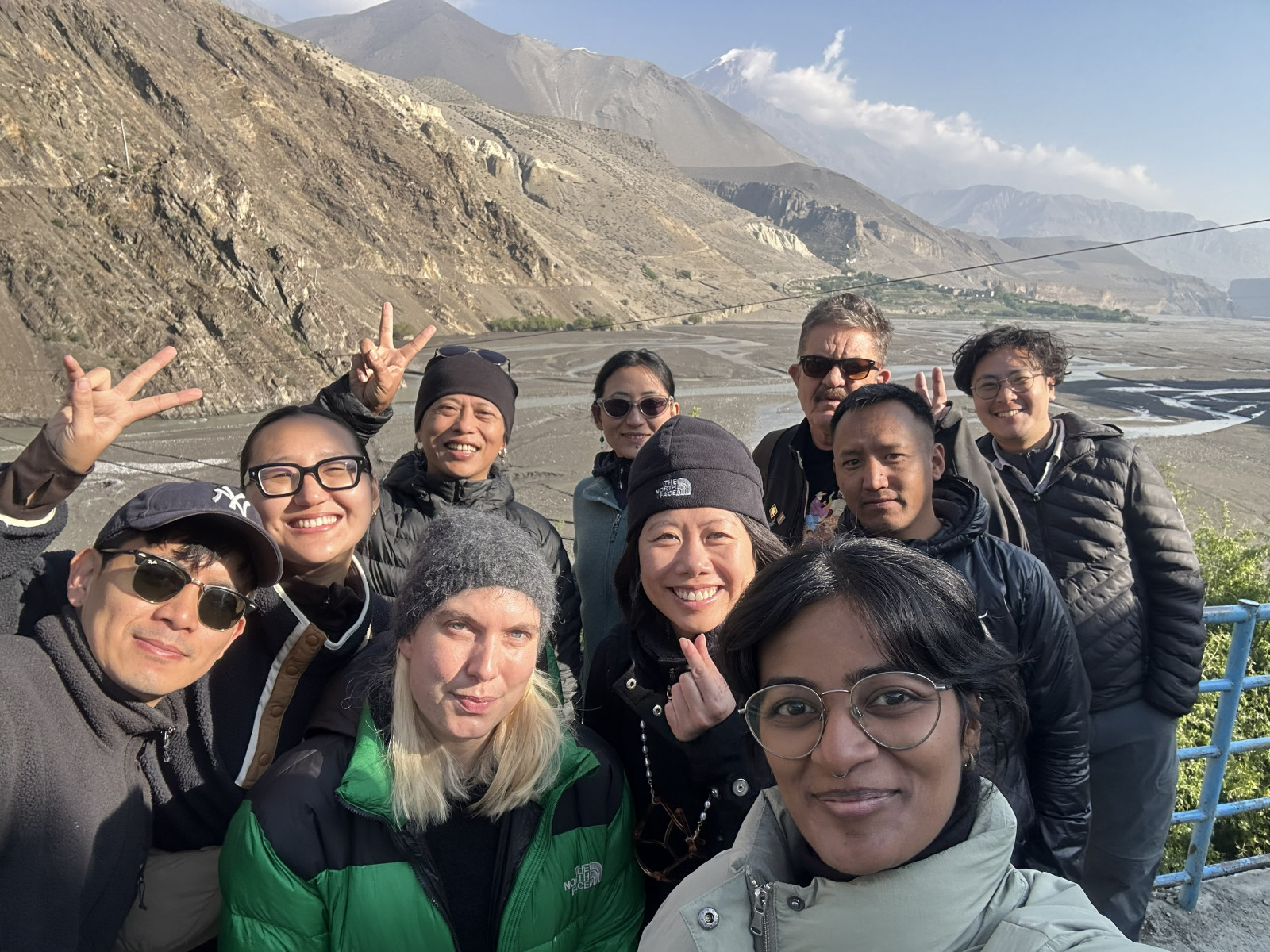
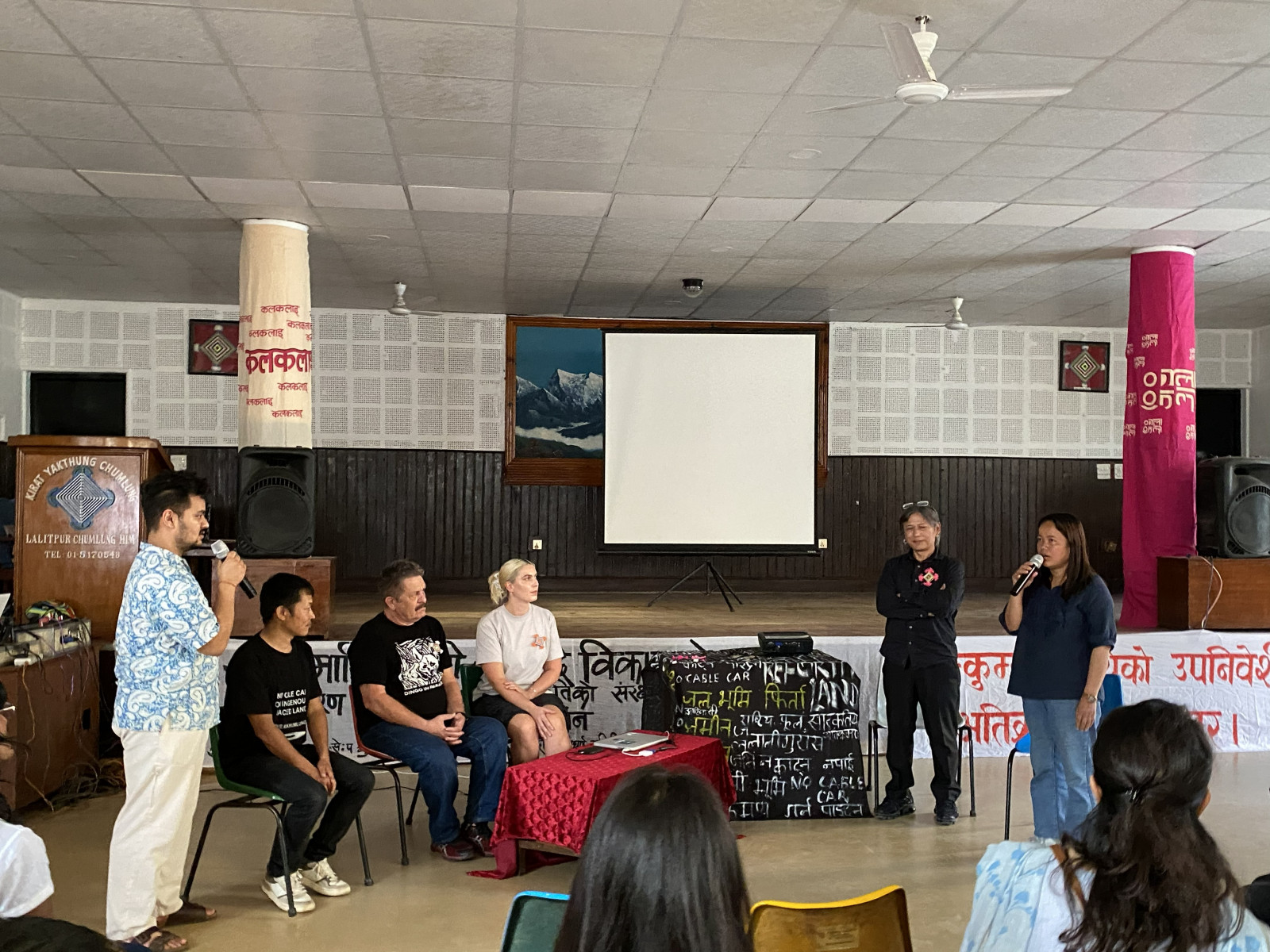
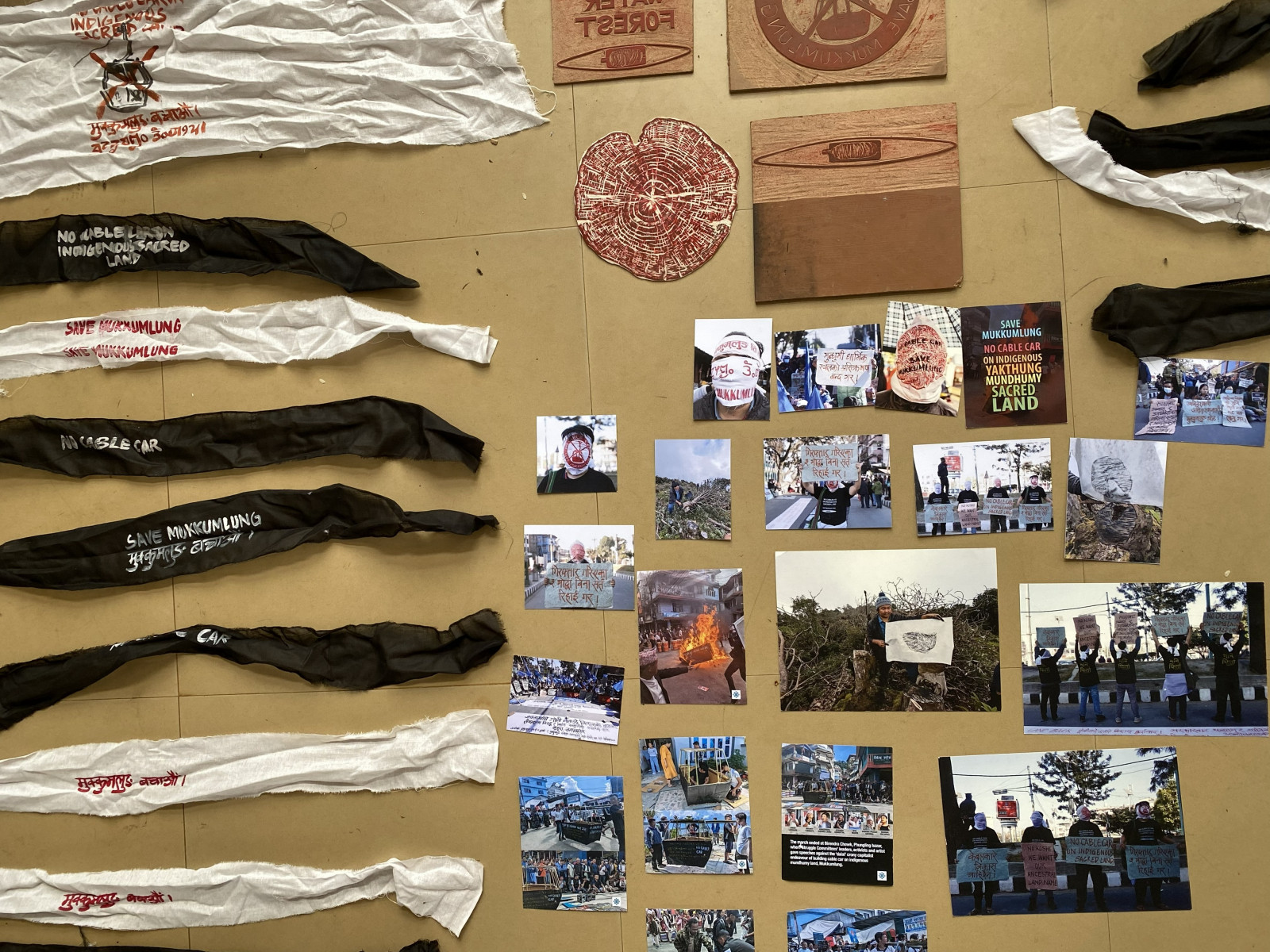
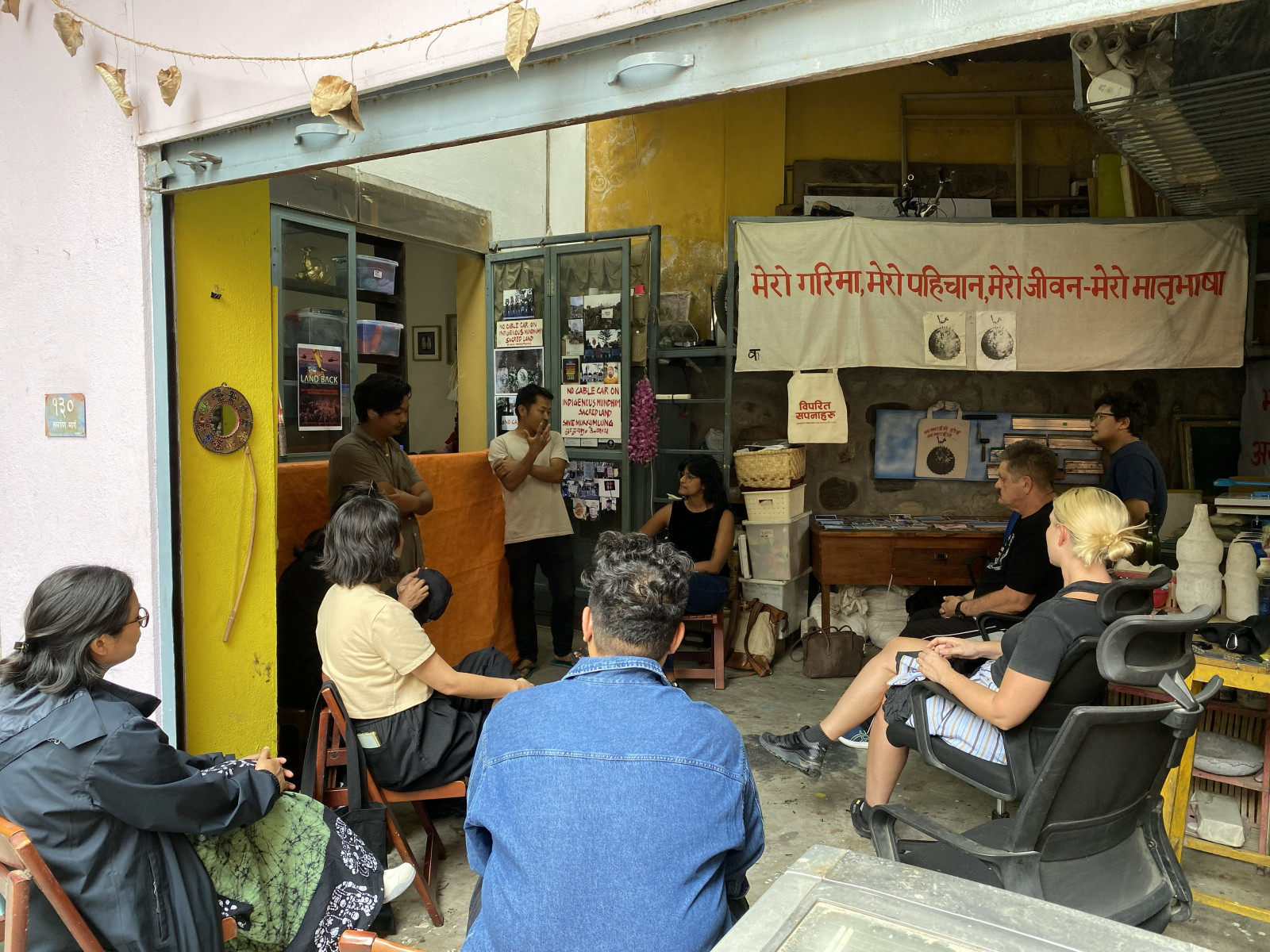
High Altitude Exchange is an intercultural collaboration between First Nations artists across Australia and Nepal with connections to ‘high countries’. Co-designed by the participating artists and partners at Arts House, Melbourne, 4A Centre for Contemporary Asian Art, Sydney, and Kalā Kulo, Kathmandu, this reciprocal exchange and residency program emphasised relational work, knowledge-sharing, collective dialogue, artistic enquiry and self-determination as foundations for collaboration.
The program aimed to centre the voices and practices of First Nations and Adivasi artists, enabling meaningful dialogue, sparking new collaborations and expanding connections across cultures, countries and communities of practice.
Emerging from micro-residencies in 2024, High Altitude Exchange unfolded in a two-part cross-continental exchange:
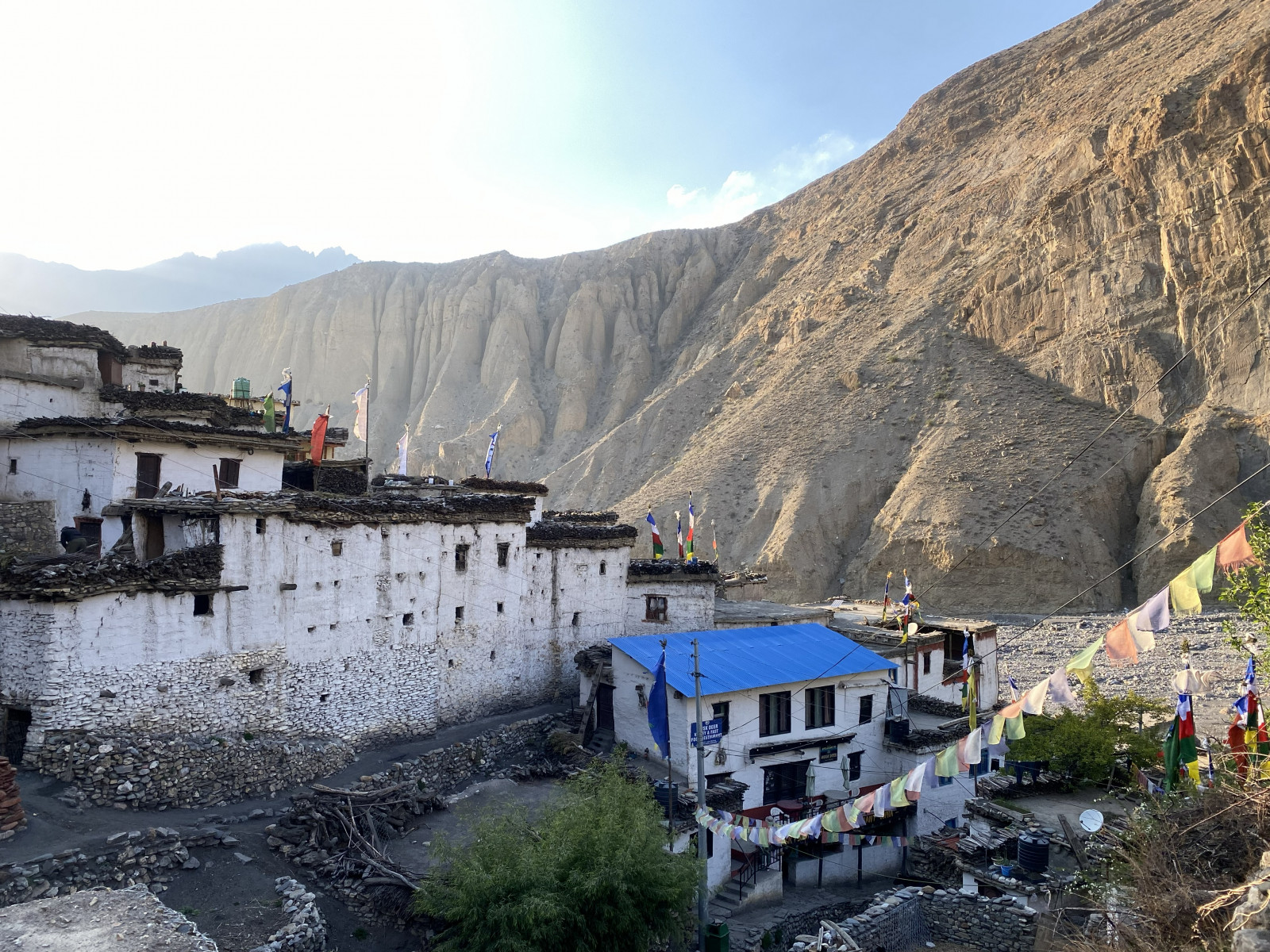
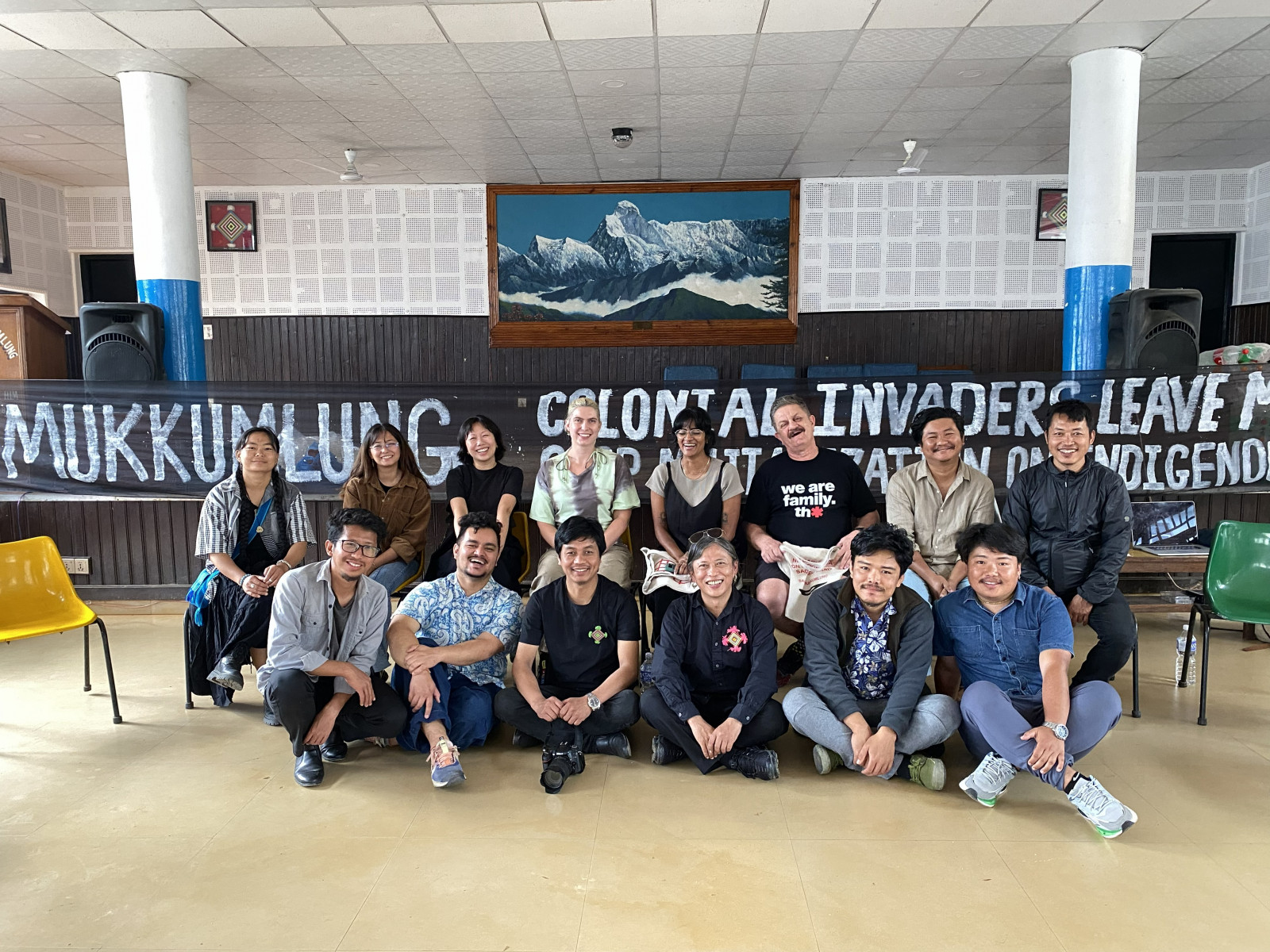
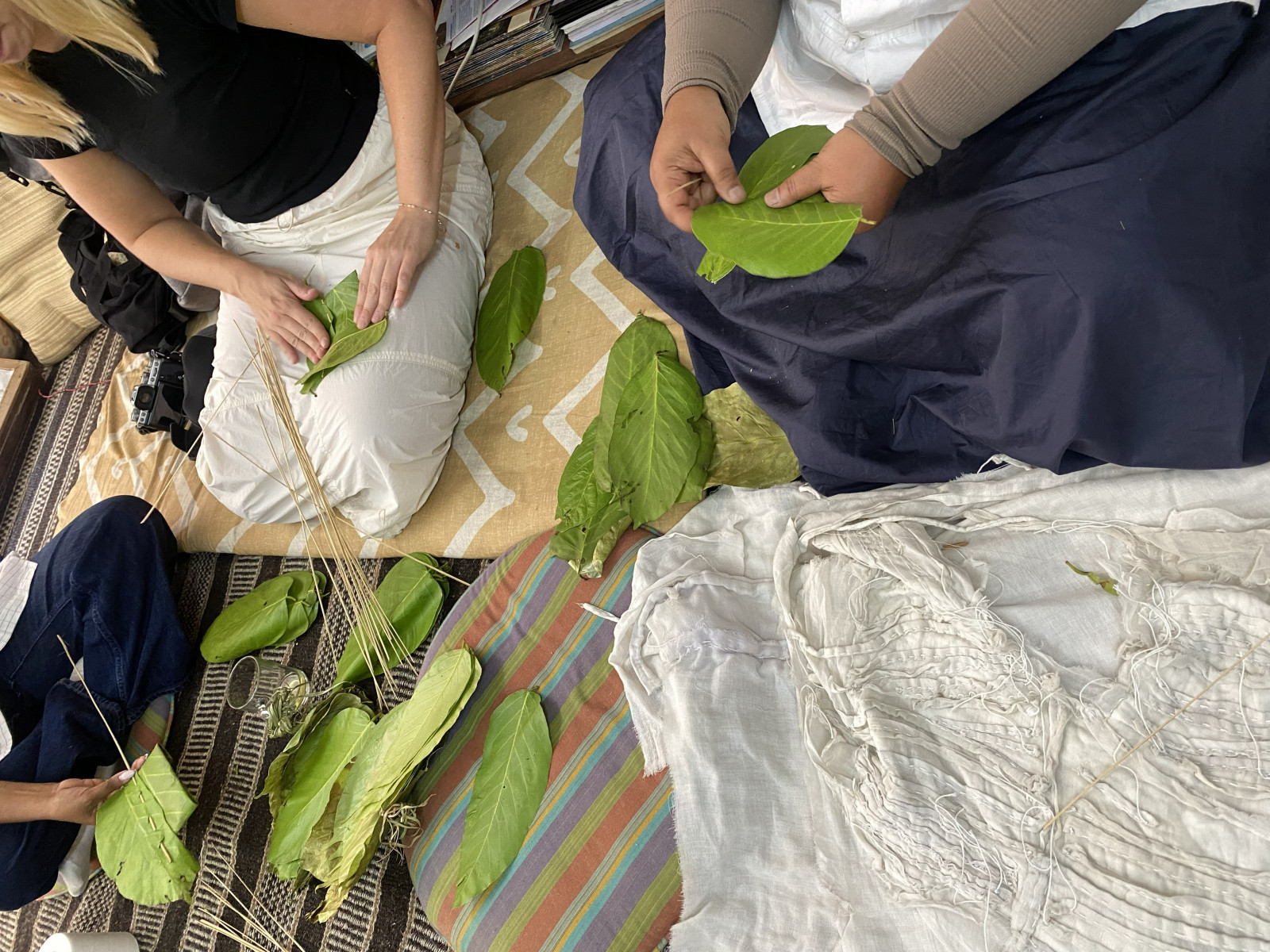
- April 2025: Artists Peter Waples-Crowe (Ngarigo) and Kate ten Buuren (Taungurung) visited Nepal, hosted by Kalā Kulo
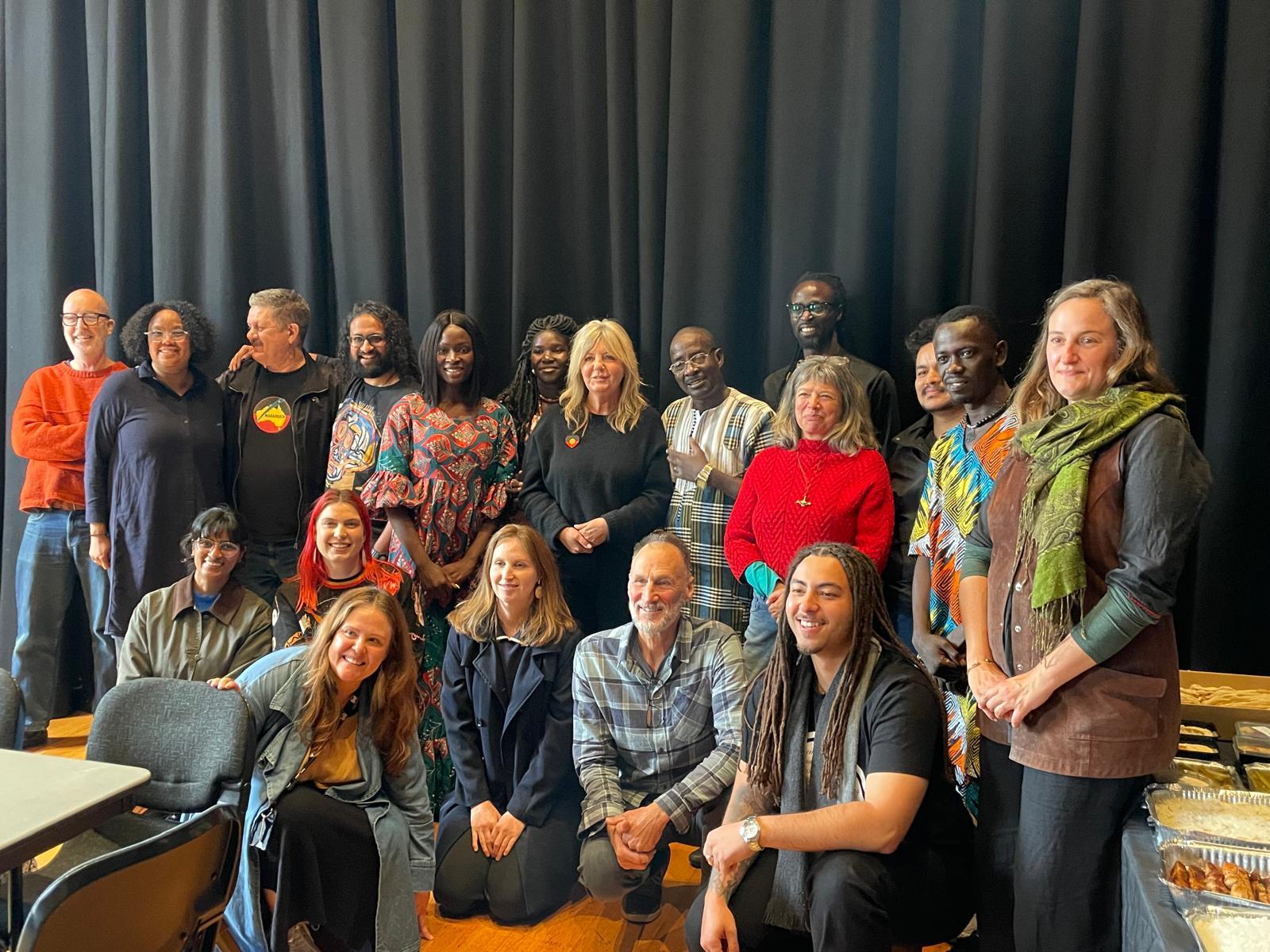
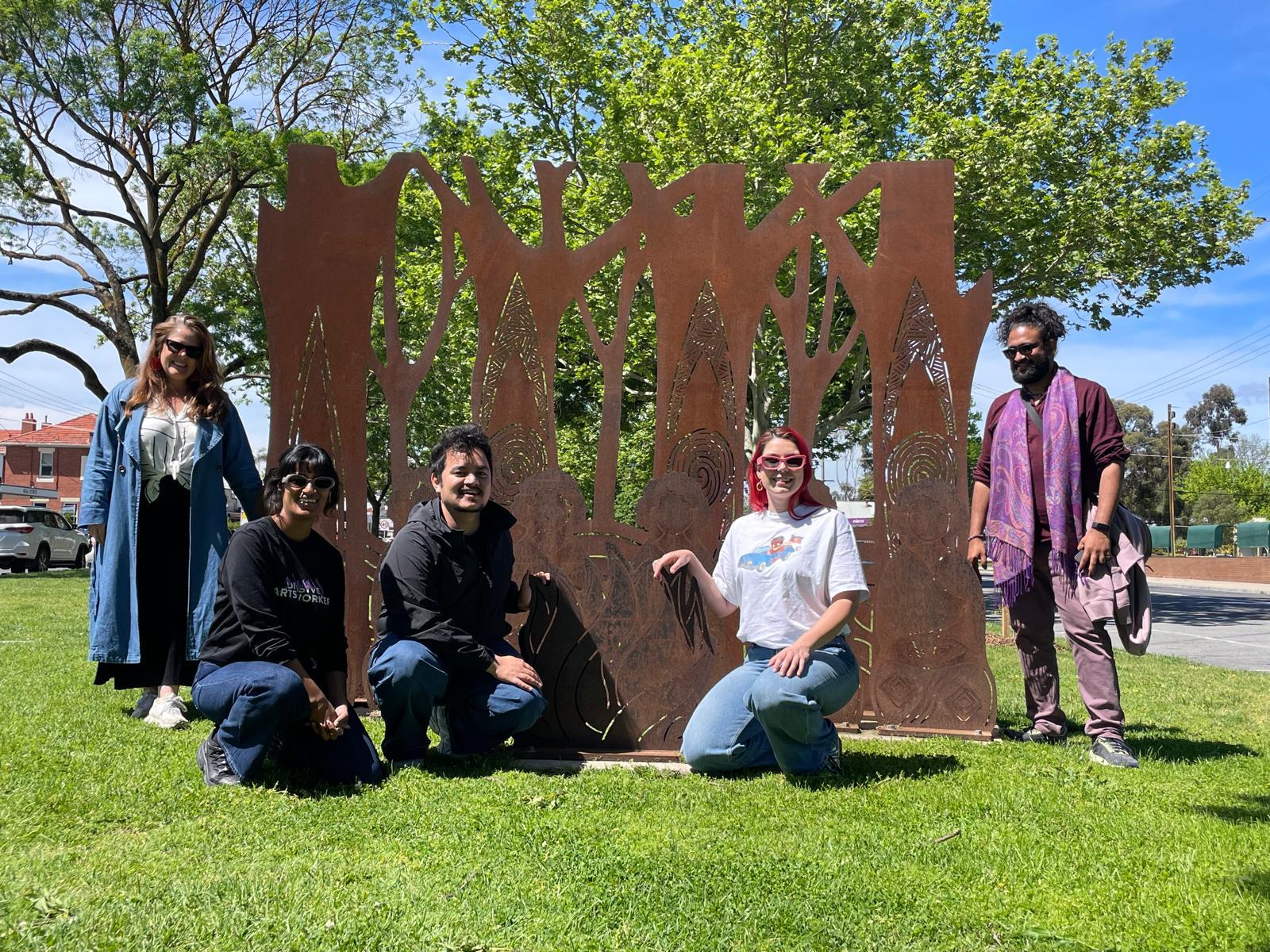
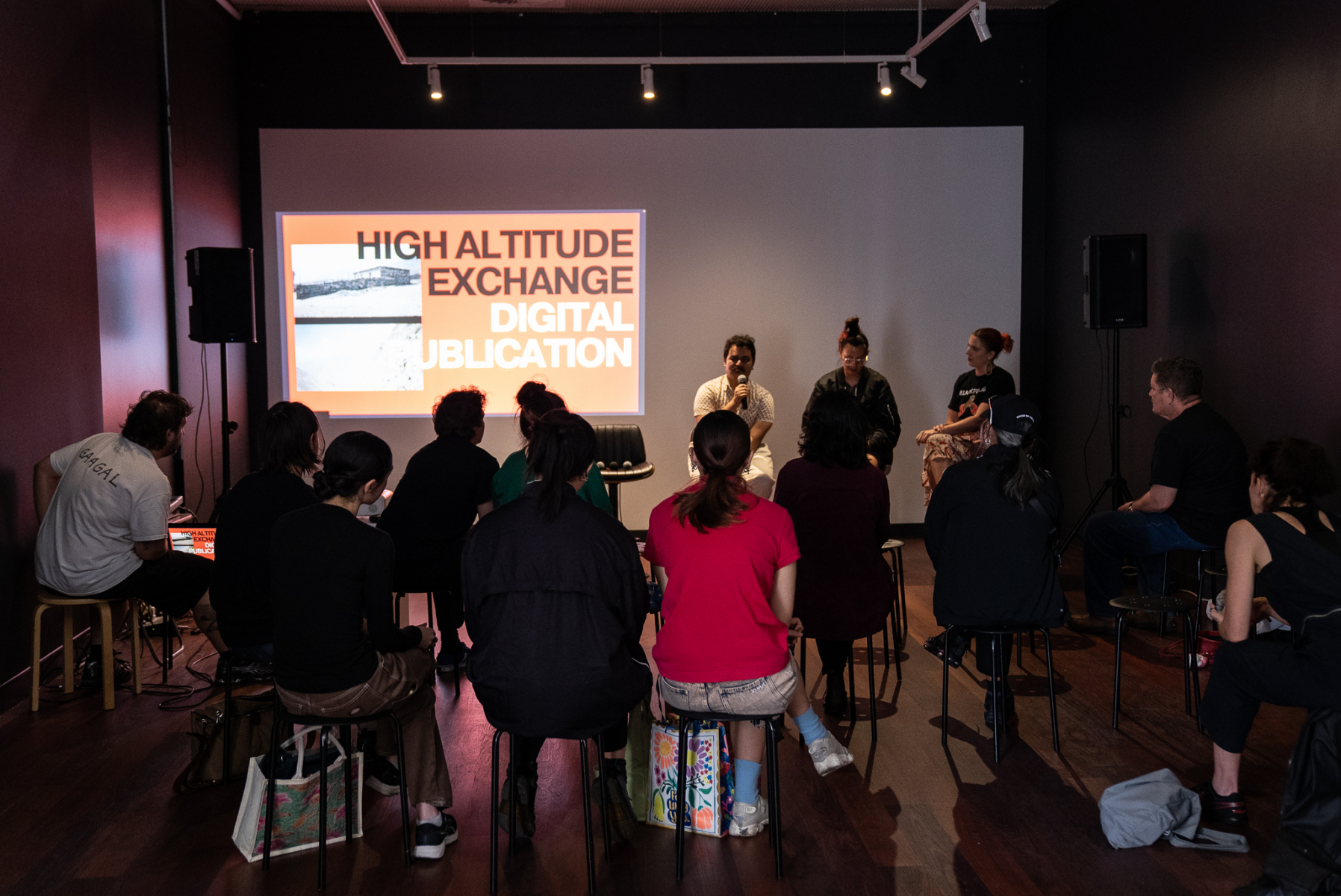
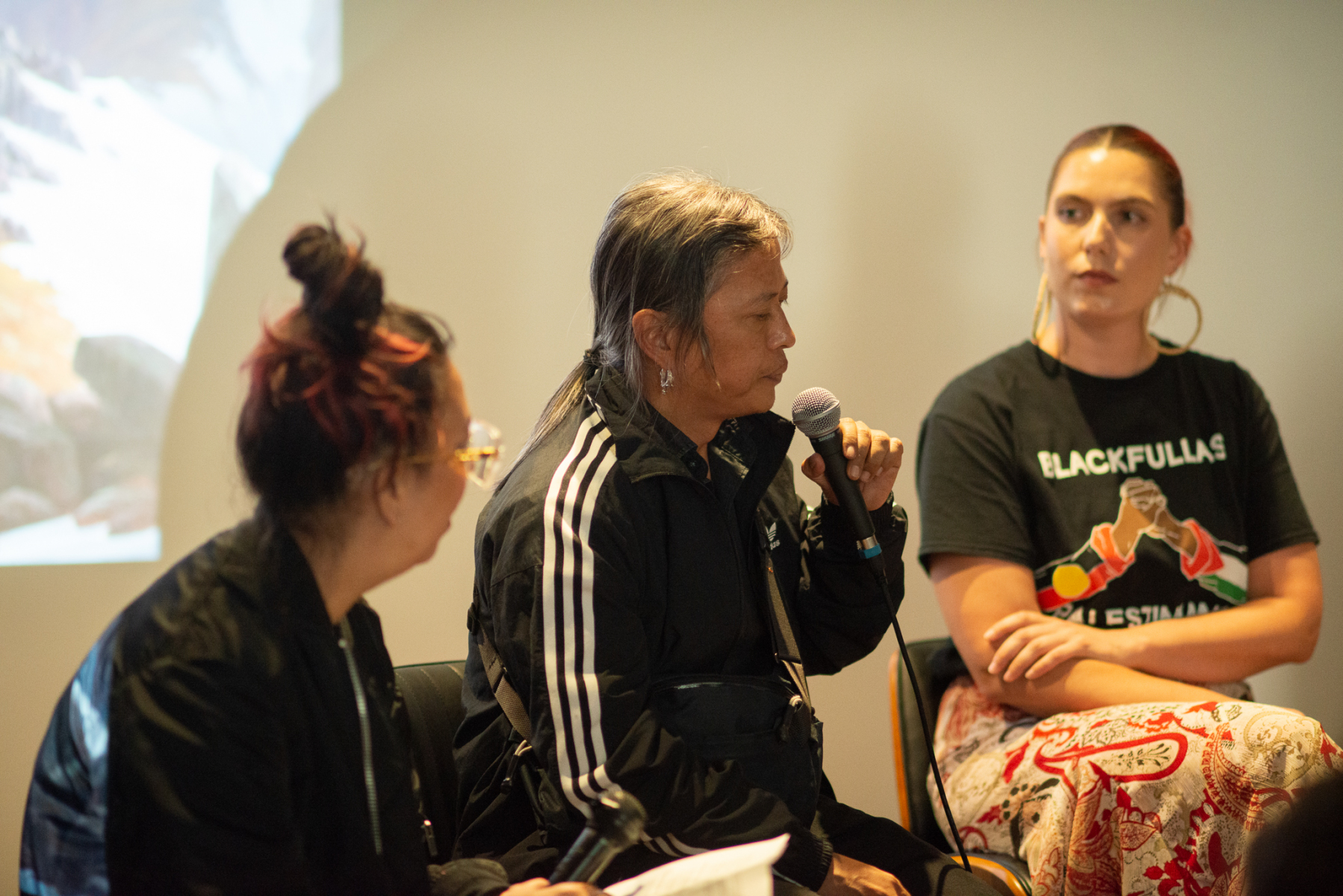
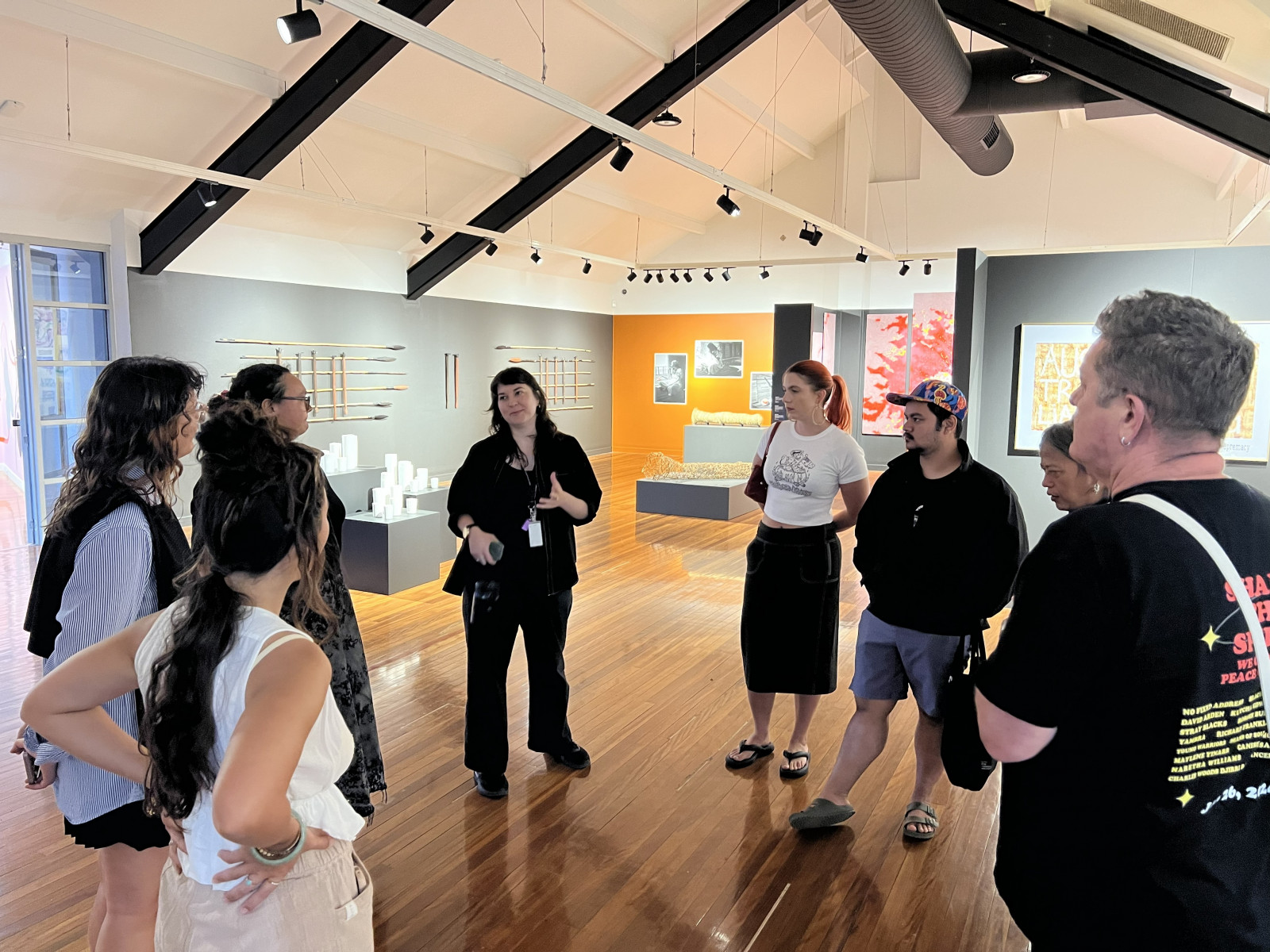
- October 2025: Subash Thebe Limbu (Yakthung) and Priyankar Bahadur Chand visited Arts House and 4A Centre for Contemporary Asian Art, concluding in a full-day symposium of talks and screenings.


Publication
Grounded in the shared values and connective threads established during the residencies, the program has culminated in a publication co-edited by Priyankar Bahadur Chand, Dipti Sherchan, and Kate ten Buuren with six new commissions from an expanded group of First Nations and Adivasi artists. Each of these commissions explore distinct histories, stories and contexts but are united in their shared ambition to honour and preserve culture.
Explore the High Altitude Exchange publication here.
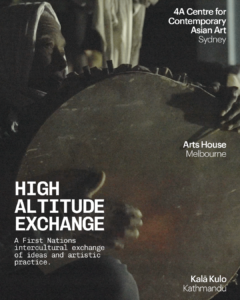
Header Image: Peter Waples-Crowe
About the artists
Kate ten Buuren is a Taungurung artist and curator interested in contemporary visual art, film and stories. She is a founding member of the arts collective this mob and is the 2026 curator of the First Peoples Melbourne Art Trams.
Priyankar Bahadur Chand
Priyankar Bahadur Chand is a curator, researcher, and writer incorporating archival and field-based methodologies in his works. His ongoing study involves assembling and contextualizing archives of modernist Nepali artists, looking at the long history of disease and territory in the Tarai, recording body marking traditions along the Indo-Nepal borderlands, and exploring the visual historiography of cultures across the Himalayas. He is also a co-founder of Kalā Kulo, a collective arts space based in Kathmandu.
Dipti Sherchan
Dipti Sherchan is an anthropologist interested in the intersections of arts, culture, and politics. She is also a co-founder of Kalā Kulo, a collective arts space based in Kathmandu.
Yakthung Cho Sangjumbho (Yakthung Art Society)
Yakthung Cho Sangjumbho (Yakthung Art Society) is an indigenous arts collective from Limbuwan, Nepal. Founded in 2021, it was initiated by Yakthung (Limbu) artists and researchers to support the indigenous struggles in present-day eastern Nepal through artistic interventions. Yakthung Cho now includes members from other indigenous Nations, including Khambu (Rai) and Koinch (Sunuwar) peoples, and also collaborates with artists and collectives from other communities. While it focuses on movements led by Yakthung people from Limbuwan (Yakthung Nation), it also works and pledges solidarity with various Indigenous Nations across the country.
Iluka Sax-Williams
Iluka Sax-Williams is an award-winning multidisciplinary artist whose practice spans Indigenous Visual Art, Fashion, and Design. A proud Taungurung man of the Kulin Nation with Tibrean ancestry from Zenadth Kes (Torres Strait Islands), Iluka draws from his cultural lineages to create works rooted in ancestral knowledge.
His practice is deeply community-focused, with a strong emphasis on cultural education. Iluka facilitates workshops in Possum Skin Cloak-making, Pyrography, and immersive art experiences that promote cultural learning and connection. His Kangaroo skin artwork Woora Liwik was exhibited at the 10th Koorie Heritage Trust Art Show (2022–2023), where it received the RMIT University Emerging Artist Award.
Iluka’s work has expanded into public and exhibition spaces, including his contribution to Making the Metro Tunnel at Domain House Gallery, and the creation of the Bundjil and WaaSculpture, an installation for Balnarring Primary School that symbolises ancestral knowledge and cultural continuity.
In 2024, his design for the First Peoples Melbourne Art Tram was launched as part of RISING Festival, later earning a Gold Anthem Award for Social Impact. In 2025, Iluka presented Dabana at YIRRAMBOI Festival, featured on the cover of Beat Magazine, and participated in the inaugural Victorian First Peoples Art & Design Fair.
Iluka continues to expand his practice, using art as a platform for cultural expression, storytelling, and community empowerment.
Rukshana Kapali
Rukshana Kapali is a Nepali transgender rights activist, legal advocate, writer, and Indigenous Newa campaigner based in Kathmandu. Her work centers the intersections of gender justice, Indigenous identity, and language politics in Nepal, with a particular focus on Nepal Bhasa and queer advocacy. Kapali became widely recognized for challenging discriminatory citizenship laws and advocating for the right of transgender people to obtain legal recognition. Alongside legal activism, she has written extensively on marginalized gender identities, queer histories, and linguistic inclusion, while organizing youth-led advocacy initiatives. Kapali is also the founder of the Queer Youth Group, a collective supporting queer and trans communities in Nepal. Her contributions have received international recognition through inclusion in the BBC 100 Women and TIME100 Next lists.
Peter Waples-Crowe
Peter Waples-Crowe (He/They) is a Ngarigo queer artist based in Naarm (Melbourne), Victoria. His multidisciplinary practice encompasses visual art, performance, and community cultural development, exploring the intersections of Indigenous and queer identities, spirituality, and the ongoing impacts of colonisation.
Born in Sydney and raised in Wollongong, Waples-Crowe completed a Bachelor of Creative Arts at Wollongong University in 1989. His adoption and later reconnection with his Ngarigo heritage have profoundly influenced his work, which is deeply personal and auto-ethnographic in nature. Drawing from his experiences as an Aboriginal queer person and his extensive background in community health and arts organisations, Waples-Crowe creates art that challenges and reimagines the representation of Aboriginal people in popular culture.
His notable works include "Ngarigo Queen – Cloak of Queer Visibility" (2018), a garment crafted from possum pelts and waxed linen thread, symbolising the visibility and resilience of queer Indigenous identities. Another significant piece is "Ngaya (I Am)" (2022), a video installation that delves into themes of identity and belonging. These works have been featured in exhibitions such as "PRIDE" at Adelaide Contemporary Experimental and "QUEER: Stories from the NGV Collection" at the National Gallery of Victoria.
Through his art, Waples-Crowe continues to push the boundaries of identity and representation, fostering dialogue around the complexities of being both Indigenous and queer in contemporary Australia.
Jenna Lee
Jenna Lee is a Gulumerridjin (Larrakia), Wardaman, and KarraJarri woman with Japanese, Chinese, Filipino, and Anglo-Australian (Irish and Scottish) ancestry.
Jenna Lee’s practice explores language, materiality, and the transformation of inherited narratives. Deeply intrigued by what is lost in translation, Lee explores the spaces between words, the felt but unwritten, capturing the subtleties that surround language. Her work channels these overlooked nuances into immersive installations, works on paper, sculpture, and multimedia.
Working primarily with books, viewed as colonial artefacts, Lee interrogates dictionaries that have poorly compiled First Peoples languages and applies Larrakia linguistics, using this process to better describe the world she sees around her. Through deconstruction and reconstruction, she engages with materials that echo the past, revealing the hidden stories they carry. Her work seeks to uncover the unseen forces shaping our understanding of history and identity, drawing attention to what time has eroded and collective memory has suppressed.
Indu Tharu
Indu Tharu is an artist, poet, and activist. As an Indigenous Tharu woman, her writings, performances, and installations actively address the systematic erasure of her community’s voice. She explores themes of remembrance, loss, and violence and their impact on individual and societal consciousness. Her works are particularly informed by the recent People’s War in Nepal (1996–2006) and its effect on her family and community. Drawing from her family's archives, she investigates the role of underground publications in the struggle for Tharu identity recognition. Additionally, she has been documenting the contributions of Tharu women in various social movements across the Tarai. Her poems have been performed at numerous protests and are published in her book Nilambit Nibandha.
Lavkant Chaudhary
Lavkant Chaudhary is an artist from the Indigenous Tharu peoples of the Tarai. His art directly addresses issues related to his community and their struggle for rights and recognition within the history of the Nepali nation-state. By embedding archival matter and Indigenous vocabularies in his art, he aims to unravel the layered injustices faced by Tharu communities: indentured servitude, extrajudicial killings, environmental degradation, and political disenfranchisement. Central to this practice are narratives of resistance and resilience that disrupt and challenge these longitudinal cycles of suffering. He is a co-founding member of the artist collective Artree Nepal and has also recently started his independent studio Karkha Charkha.
Supported by